

Generative AI in the Fashion Industry: Evolution and Impact
Over the past few years, generative AI has gone from an experimental tool to a full-on game-changer in the fashion industry. No longer just buzzwords, models like DALL·E, Midjourney, and RunwayML are actively helping designers dream up new silhouettes, textures, and prints—all at the click of a button. But it’s not just about dreamy visuals; it’s about reshaping how fashion is imagined, created, and consumed.
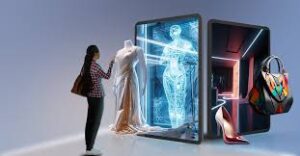
In 2025, generative AI is being used in everything from moodboard generation to fully rendering sample garments before a single stitch is sewn. This saves time, money, and a whole lot of fabric waste. Brands like Calvin Klein and Gucci are dabbling in AI-generated prints, while fast-fashion giants use predictive algorithms to determine next season’s big color or pattern. It’s a mix of art and data science, and it’s here to stay. Designers love the way AI can push creative boundaries. With prompts like “a jacket inspired by coral reefs and Brutalist architecture,” AI can produce moodboards or sketches that open up entirely new aesthetic directions. For emerging designers, it democratizes access to design tools that were once expensive or time-consuming. For big brands, it means speeding up product development while keeping things fresh.
However, the rise of AI in fashion doesn’t come without its challenges. There are ethical questions about originality—who owns a design generated by AI? And there’s concern about overproduction: if AI makes it easier to design and produce, does that risk flooding the market with even more clothing? Sustainability must be at the heart of how we move forward with this tech. Still, when used responsibly, generative AI has massive potential. It allows for more inclusive design processes, more customized fashion, and a future where creativity and efficiency can coexist. The fashion industry isn’t being replaced—it’s evolving. The best part? Humans are still the ones doing the dreaming.

Comments :